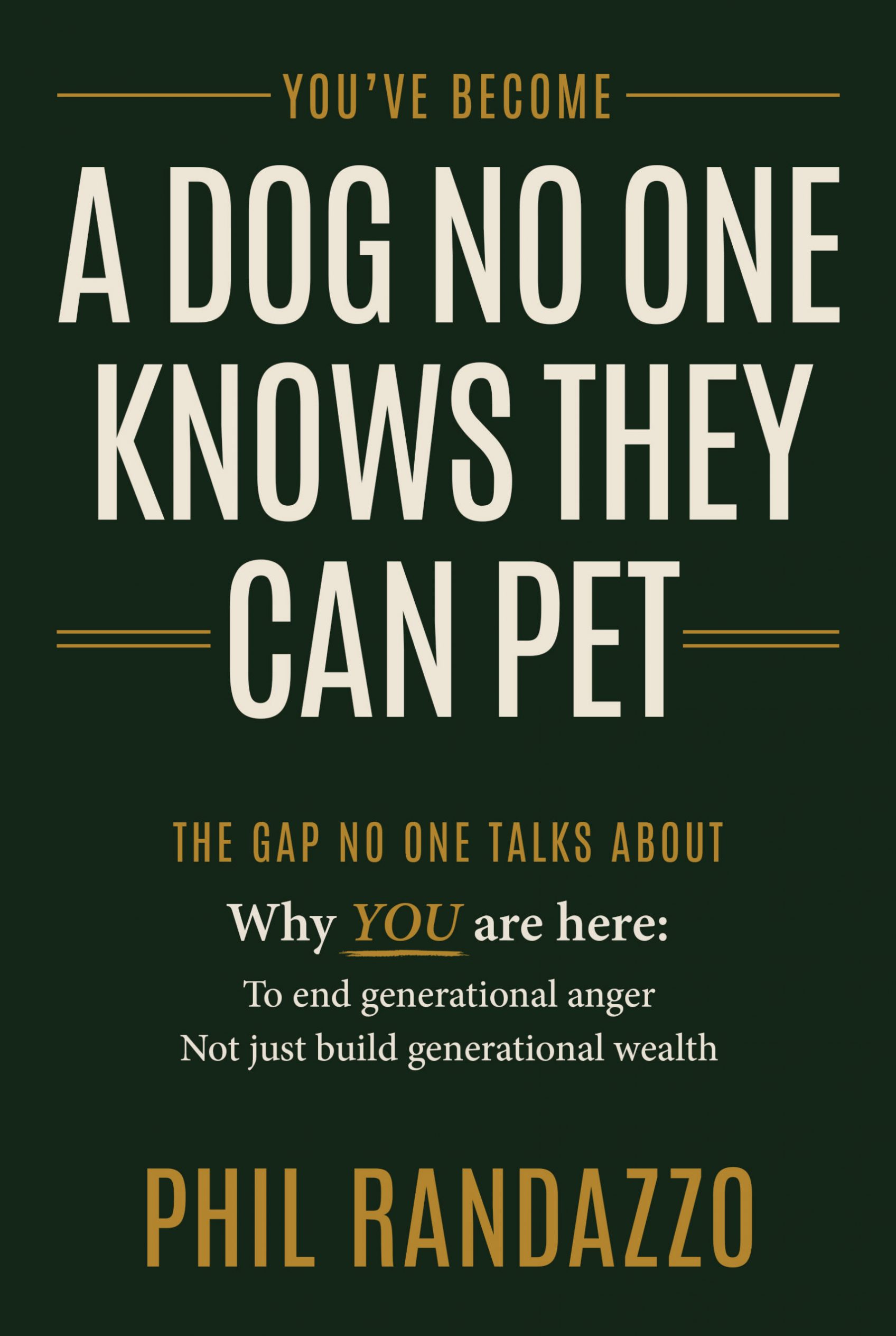
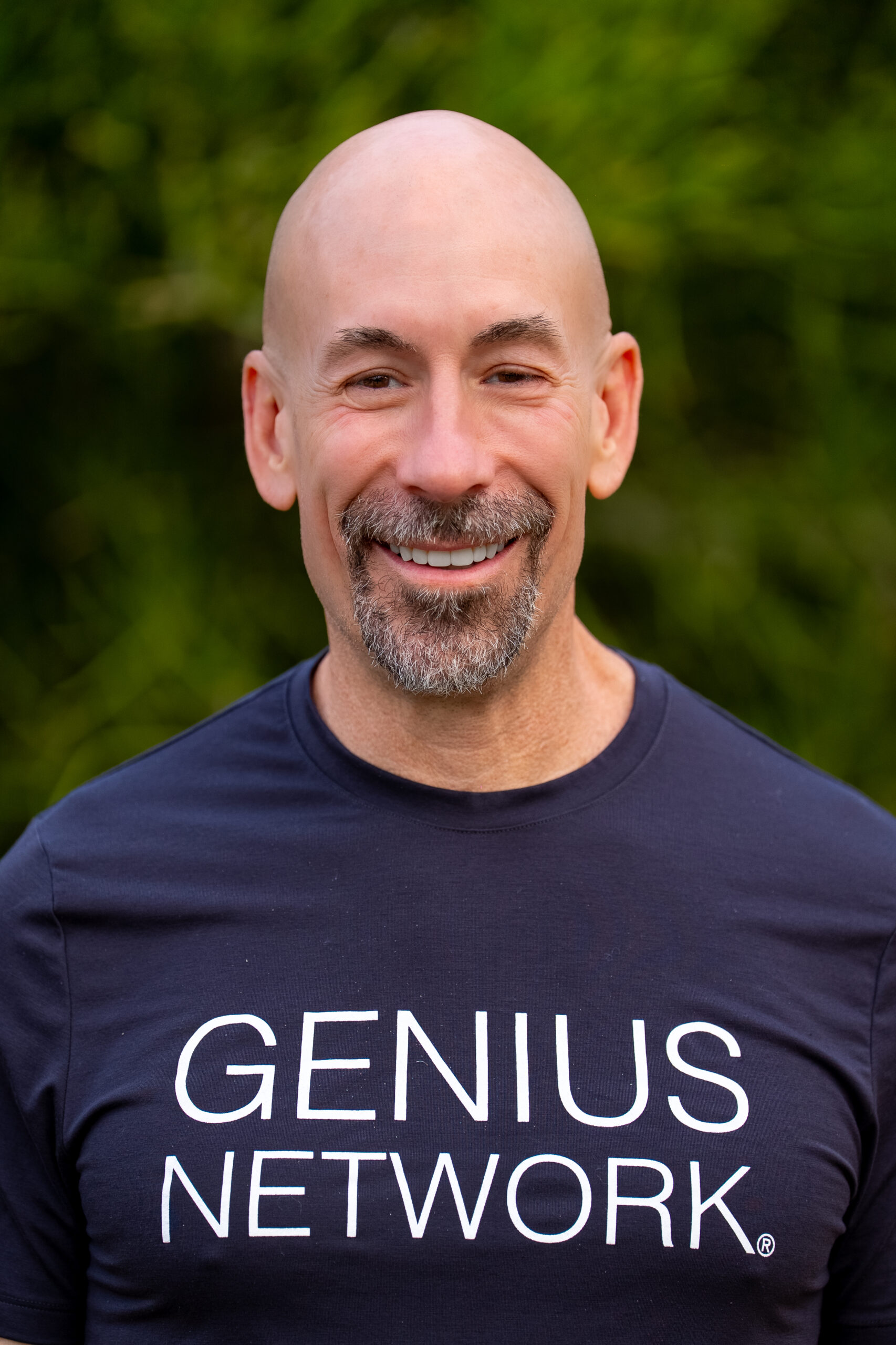
Phil Randazzo, author of You’ve Become a Dog No One Knows They Can Pet, is a high achiever in the business world. As a result, he could have written a business book, a book on leadership, or any form of self-development book. Instead, he has taken a hard look at himself and written one to help leaders and high achievers where they likely most need it—in their relationships with their family members. As Phil’s subtitle states, this book is about “The Gap No One Talks About.” It’s about how to break the generational anger cycle you learned from your parents and grandparents and don’t want to pass on to your children and their children. As Phil states, he did not want his great-great-grandchildren, who might not even know his name, to inherit his anger.
The book’s clever title refers to how Phil’s wife and children were often so afraid of his bark and bite that they grew distant or tried to manipulate and manage him without his realizing it. As a case in point, Phil could go to work and make a ton of decisions as the leader, but when he came home and his wife asked him what he wanted for dinner, he blew up at her because he was too exhausted to make one more decision that day. Consequently, his wife began calling him at the office before he came home, under the guise of asking how his day was. What she was really doing was finding out what kind of mood he would be in when he got home. That way she and the children would know what to expect. Once Phil caught on to this, he felt ashamed and decided it was time to do better.
Phil wrote this book, as he states, for those who are tired—“Tired of being tired. Tired of the gap between who you are at work and who you are at home…. Tired of knowing better and still not doing better.” Phil knew he could go to all the coaching programs, mastermind classes, etc. and be inspired to do better, only to have something small trigger him so that he would react the way he always did. Finally, he realized he needed a map to the unconscious fears and beliefs he’d inherited that set him off. In this book, he reveals what those fears and beliefs were and how he’s learned to do better—finally.